



Keynote Speeches
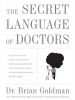
New book & speaking topic!
Discover how extraordinary pressure, split-second decisions, and relentless unpredictability reveal universal truths about resilience, teamwork, and the courage to care.
Drawing from his instant bestselling book, Dr. Goldman takes audiences inside the world of emergency medicine — diagnoses made, puzzles solved, and lives saved — with lessons that translate directly to anyone navigating high-stakes decisions under pressure. Already compared to the acclaimed TV series The Pitt, this talk is as gripping as it is instructive.
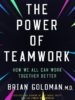
In the high-pressure and complex setting of healthcare, a new approach to teamwork is leading to healthier patients, happier staff and more efficient operations. Healthcare’s embrace of a new teamwork model has been noticed by people outside the medical world, so doctors are going outside the walls of the hospital to teach manufacturers, business owners, franchisees, customer service representatives and even those in sports and entertainment to do better by shifting the culture from “me” to “we.”
Based on his bestselling book and drawing on groundbreaking research and examples from around the world, Dr. Goldman shows the audience how a team approach to medicine can improve customer service and help women break the glass ceiling. It can solidify the provision of social services to troubled youth, and boost the efficiency and safety of the military and critical industrial complexes like nuclear power plants. It can even make professional sports teams perform better.
Twenty-first century healthcare uses cutting-edge technology, while record-keeping and information technology are primitive. Medical professionals often handwrite their notes and require patients to use a phone to book appointments. Can disruptive innovation modernize our healthcare system? Dr. Goldman argues that there is a need for a shake-up in healthcare computing, providing examples of apps that are both improving patient care and saving health professionals time. By having patients and healthcare providers use their mobile devices, we can reduce unnecessary wait times and optimize processes.
Sample Ideas and Takeaways:
- Using the hackathon approach, how even the most technophobe doctors and nurses can team up with up-and-coming software engineers to invent cutting-edge medical apps.
- How to reduce unnecessary wait times by optimizing processes through mobile devices.
- Using AI to enhance medical professionals experienced diagnosis
- The opportunity with virtual emergency medicine especially in rural areas
- The structures needed to free up more time away from services and re-allocate it towards thinking & developing strategies for innovation.
He reminded us that:
 “The plural of anecdote is not data — but a topic is not a story.” Believe your patients. Kindness and storytelling are catalysts for better care, stronger teams, and a more compassionate health system.
Client review:
“The thoughtfulness you put in to structuring a talk that would align with our theme and resonate with our audience was so evident and deeply appreciated.
We have had an immense amount of positive feedback about your presentation. Many researchers from the community have sent me a note this week to tell me that they appreciated the way you shared stories but also provided real tips that could help them improve their own work moving forward. Your keynote did so much more than what we imagined when we first connected with you to invite you to our event.”
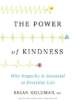
Powerful and engaging, this presentation takes audiences away from the theatre of medicine and into the world at large, investigating why kindness is essential to our well-being. Dr. Goldman shares personal anecdotes from his quest to expand his own sense of empathy, as discussed in his recent book. Audiences will also hear some captivating and moving stories from around the planet, showing the secrets to success of the most empathic people alive.
There’s a significant increase in North American’s having encounters with health misinformation, and a direct link between misinformation and negative health outcomes, especially in those who rely heavily on social media for news — and we know that’s on the rise. Dr Brian Goldman helps audiences understand: How can I support and deal with health and science misinformation?
Including:
Health claims should not be based solely on testimonials. They should be backed by research in reputable journals like the Canadian Medical Association Journal or the New England Journal of Medicine.
Always double check information first using reputable websites, such as the Mayo Clinic, MedlinePlus and the Public Health Agency of Canada. You should be able to find major health claims from more than one source.
Look out for health claims that use buzzwords like ‘cures’ and ‘quick fixes.’ Ask yourself if the wording is designed to entice you.
Avoid claims that use polarizing language or words and images that instill fear or anger. When an expert makes a health claim, go online to see if they have the expertise to make those claims.
Steer clear of so-called experts who are influencers or who are selling a product, and beware of health claims that are attributed to unnamed experts.
And consider pausing before sharing claims with others.
If a family member or friend appears to believe a health claim you know to be false, don’t be confrontational. Instead, ask them where they get their information. Ask them to show you the source and how they evaluate the source’s information.
Try to be empathetic and acknowledge that it’s difficult to find information you can trust these days.
In order to make healthcare safer for patients, it’s critical to have more whistleblowers. Some people regard Edward Snowden as a hero for exposing government wrongdoing, while others believe he is threatening national security. Surprisingly, whistleblowers are quite unusual in healthcare. Using excerpts of interviews from his radio program White Coat, Black Art, Dr. Goldman explores the need for whistleblowers in the sector and examines why there are so few of them. He cites examples of hospital whistleblowers and what happened to them when they spoke up. He points to the United Kingdom as a shining example of a country that is making healthcare safer by turning whistleblowing into a virtue. This could be a powerful model for health systems in North America.
Until recently, most Canadian hospitals seldom paid any attention to the patient point of view. Many health professionals think the opinions of patients aren’t worth getting because patients don’t know medicine. However, forward-thinking hospitals are taking patient complaints and using them to improve healthcare. And they’re involving current and former patients and their families in every aspect of hospital life: from interviewing potential new hires to changing the way the hospital delivers care. Dr. Brian Goldman explores the challenges that can be addressed with more input from patients.



Similar Speakers 123