





Keynote Speeches
As we emerge from the collective trauma of the COVID-19 pandemic, we are witnessing escalating rates of burnout and quiet quitting in the workplace.
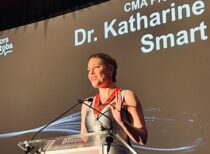
In this session, Dr. Katharine Smart discusses:
- Burnout and how it can be reframed as an impact of chronic trauma
- The biggest drivers of professional satisfaction for people in an organization
- Our best protection against traumatic stress and how we need to develop and encourage trauma-informed leadership throughout our systems and organizations
- How leadership and advocacy can be an antidote to burnout
- Addressing burnout and the trauma in our systems and organizations
As misinformation continues to pose an increasing threat to health and civil society, trust in experts has decreased, and with it, our ability to build trust in health measures.
The result? Unnecessary suffering and loss of life that could have been prevented.
During the pandemic, the rise of misinformation coupled with increasing political polarization, decreasing civil discourse, fear, cynicism, apathy, and extremism, are all of which threaten our social cohesion and arguably democracy itself.
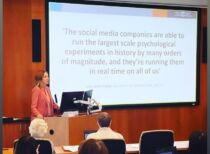
Nowadays, social media is infiltrating every aspect of our lives as more and more people get their news about their families, communities, and now their health, online.
This has created a fertile ground for the spread of misinformation; research shows 87% of social media posts about health contain misinformation.
Key Outcomes:
- Why misinformation is a powerful currency
- What drives misinformation
- How to combat misinformation
- How to develop critical thinking skills in our children and youth
Medicine is storytelling, and we can use storytelling to share ideas and experiences to build relationships for effective influence and advocacy.
Today, social media has become a reality in our professional lives, and by considering and curating our personal personas, we can leverage social media for impact; it is the new town hall and we must be present in these spaces to have influence, participate in dialogue, and compel change.
As a Pediatrician and Past President of the Canadian Medical Association, Dr. Smart is an expert on the Canadian healthcare system and children’s health, and can speak to any desired topic under these themes.


Similar Speakers 123